Skip to content

Dalmacallan Industrial Wind Farm

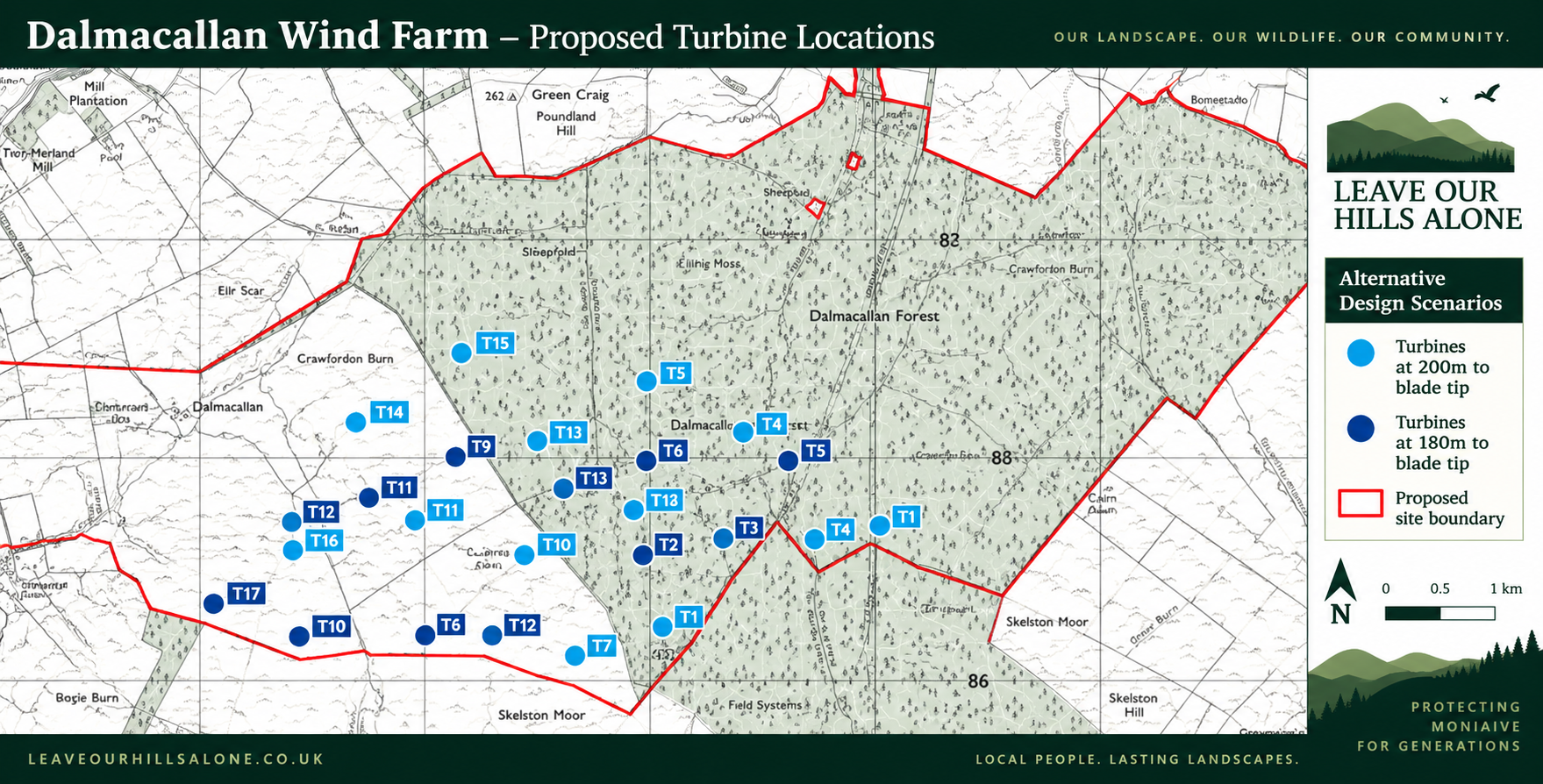
Vestas, a Danish global leader in sustainable energy solutions is applying to transform the hills surrounding Moniaive and Glencairn into a power generating industrialised wind turbine site, building 16 turbines up to 200m in height (or 17x up to 180m in height).

Reference ECU00006265
16 Wind Turbines (*or 17)
200m Maximum Tip Height (*or 180m)
Battery Energy Storage System
Glencairn Dumfries & Galloway
Pre-Application Stage

The Dalmacallan Proposal

We Say No!

Dalmacallan forest is a 1,731 acre area managed by Forestry and Land Scotland, planted with coniferous woodland since the 1950s. Situated just south-east of Moniaive in Dumfries and Galloway, the north facing hills provide a beautiful backdrop to the village of Moniaive, with the stunning night sky and Milky Way often clear to see with the naked eye. This is the location that Vestas have in mind. We say no!

IRREVERSIBLE LANDSCAPE AND HERITAGE DAMAGE

IRREVERSIBLE LANDSCAPE AND HERITAGE DAMAGE

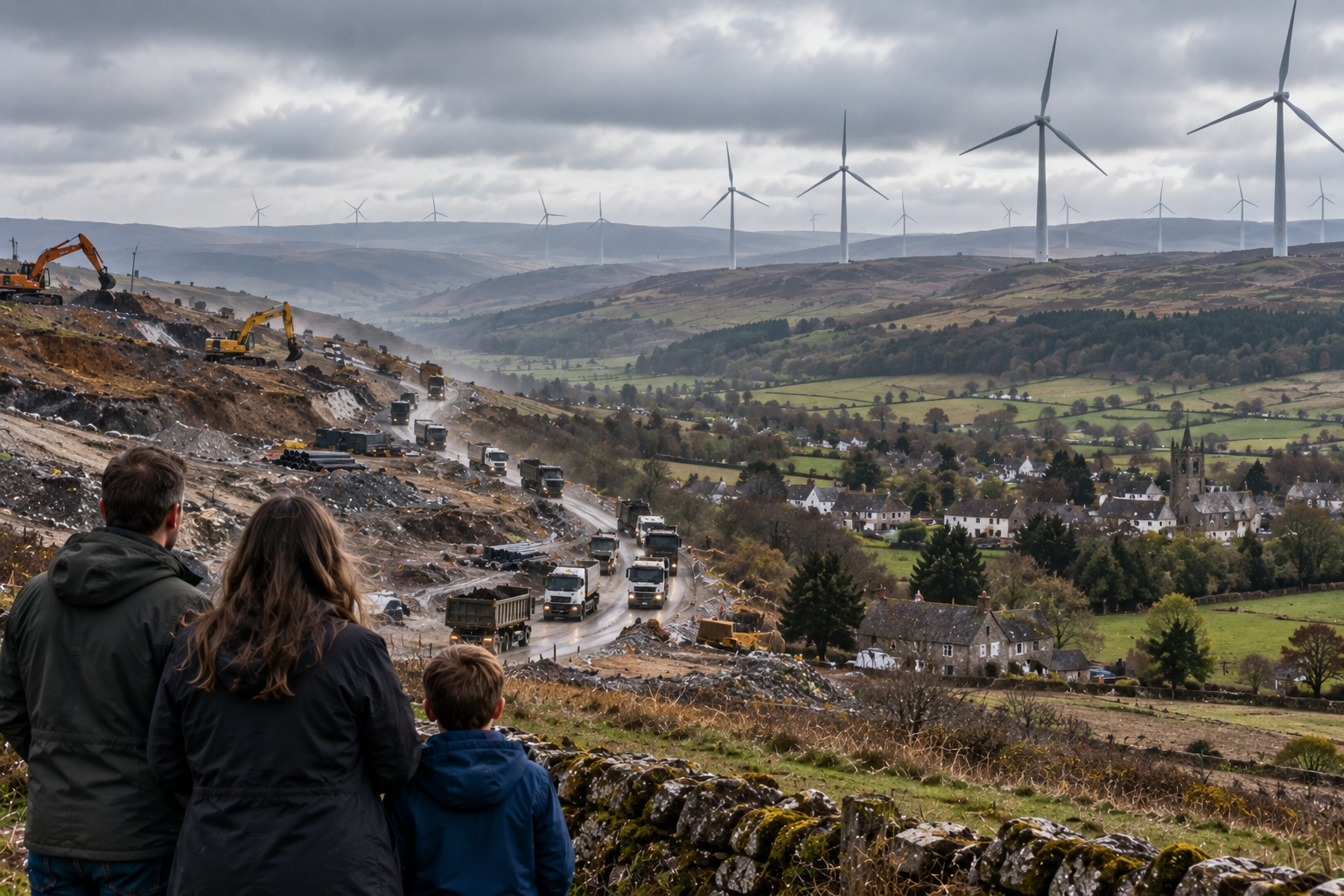
The proposed turbines would industrialise a cherished landscape above Moniaive, overwhelming a designated Conservation Area, a UNESCO Biosphere Community, and hills rich in Scottish history, art and cultural identity.
ENVIRONMENTAL AND FLOODING RISKS

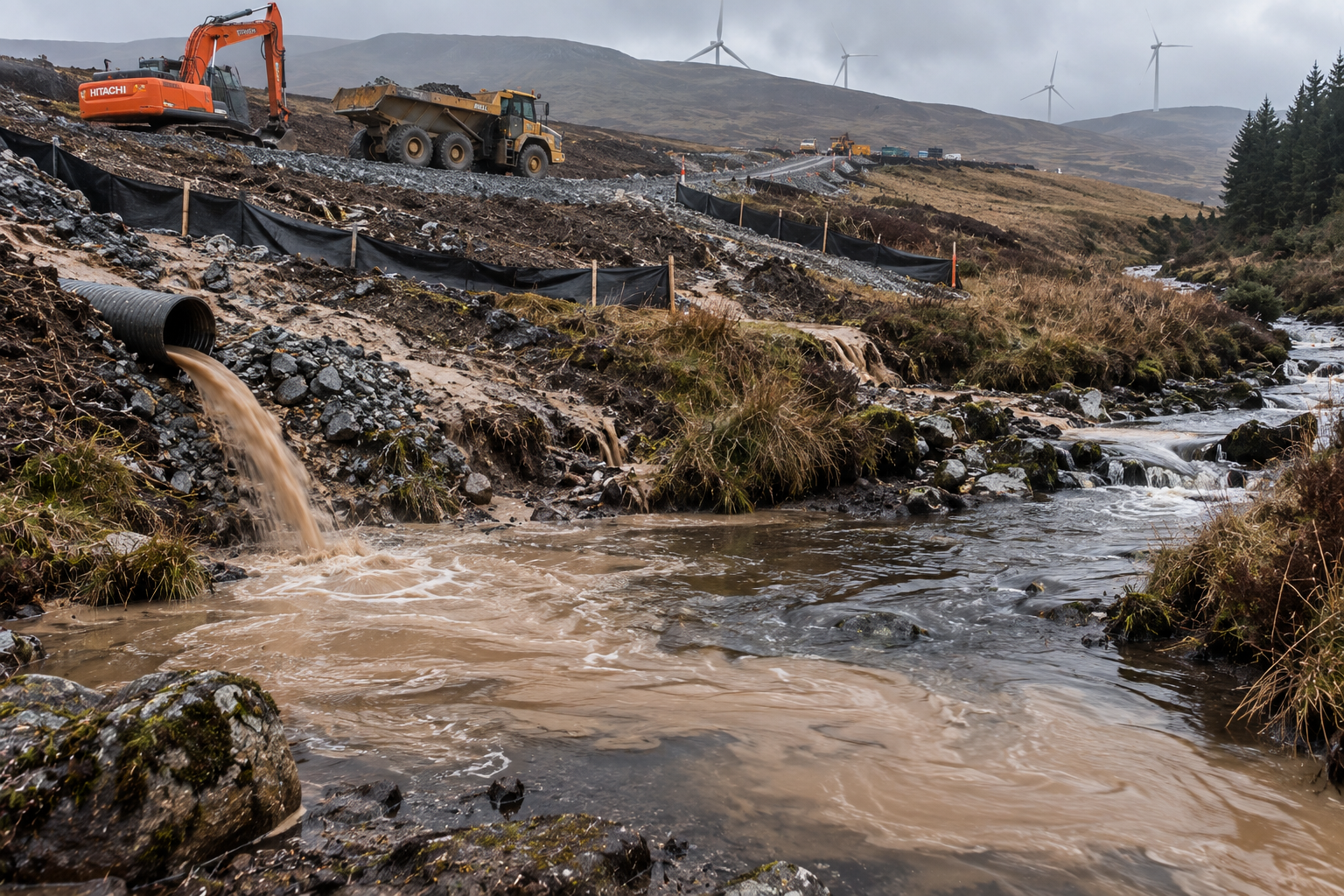
ENVIRONMENTAL AND FLOODING RISKS

Tree felling, peat disturbance, concrete foundations and new infrastructure on Dalmacallan Hill risk worsening flooding, threatening private water supplies that residents depend upon, and harming protected wildlife habitats.

COMMUNITY HEALTH AND CUMULATIVE IMPACT

COMMUNITY HEALTH AND CUMULATIVE IMPACT

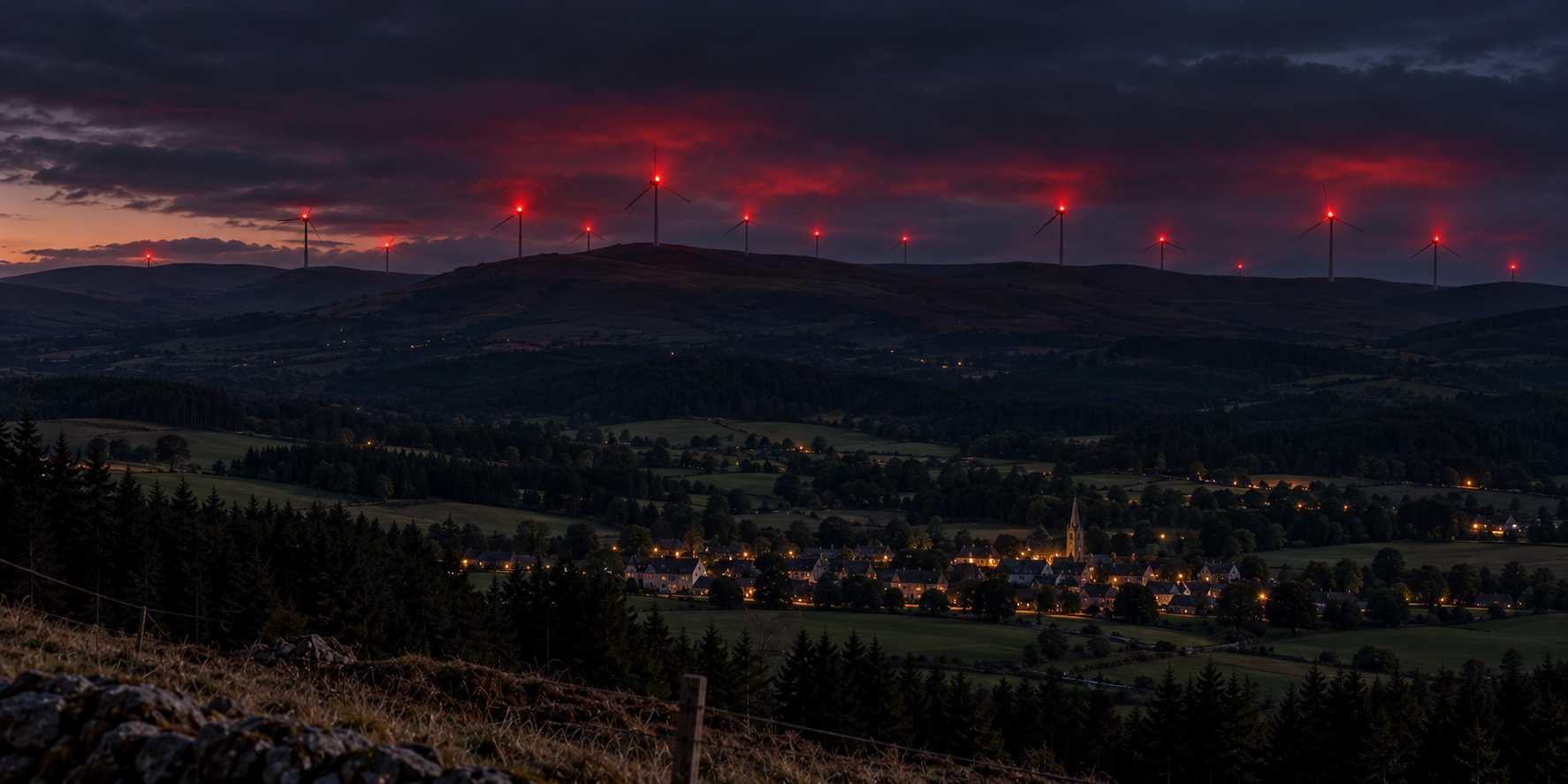
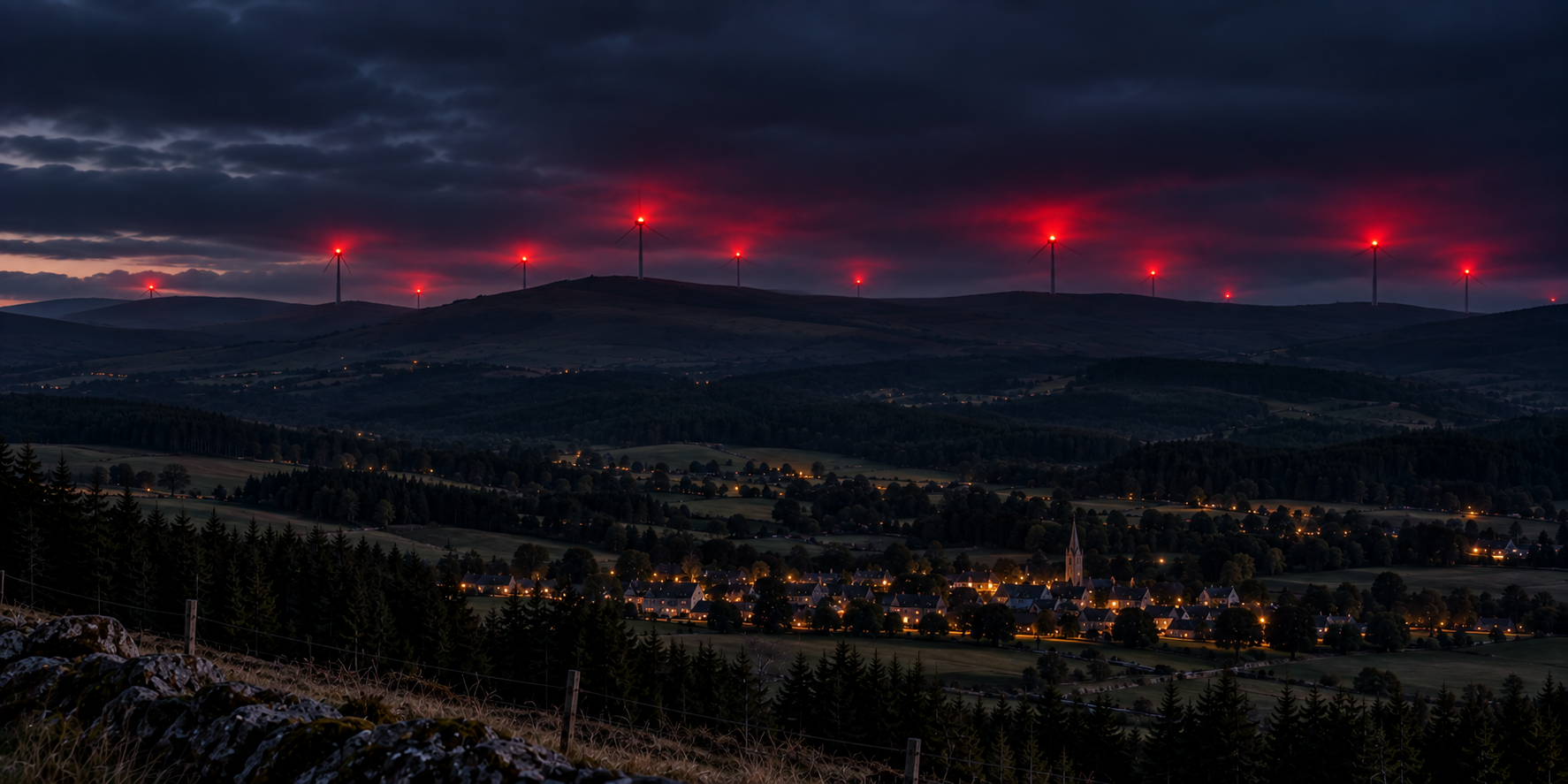
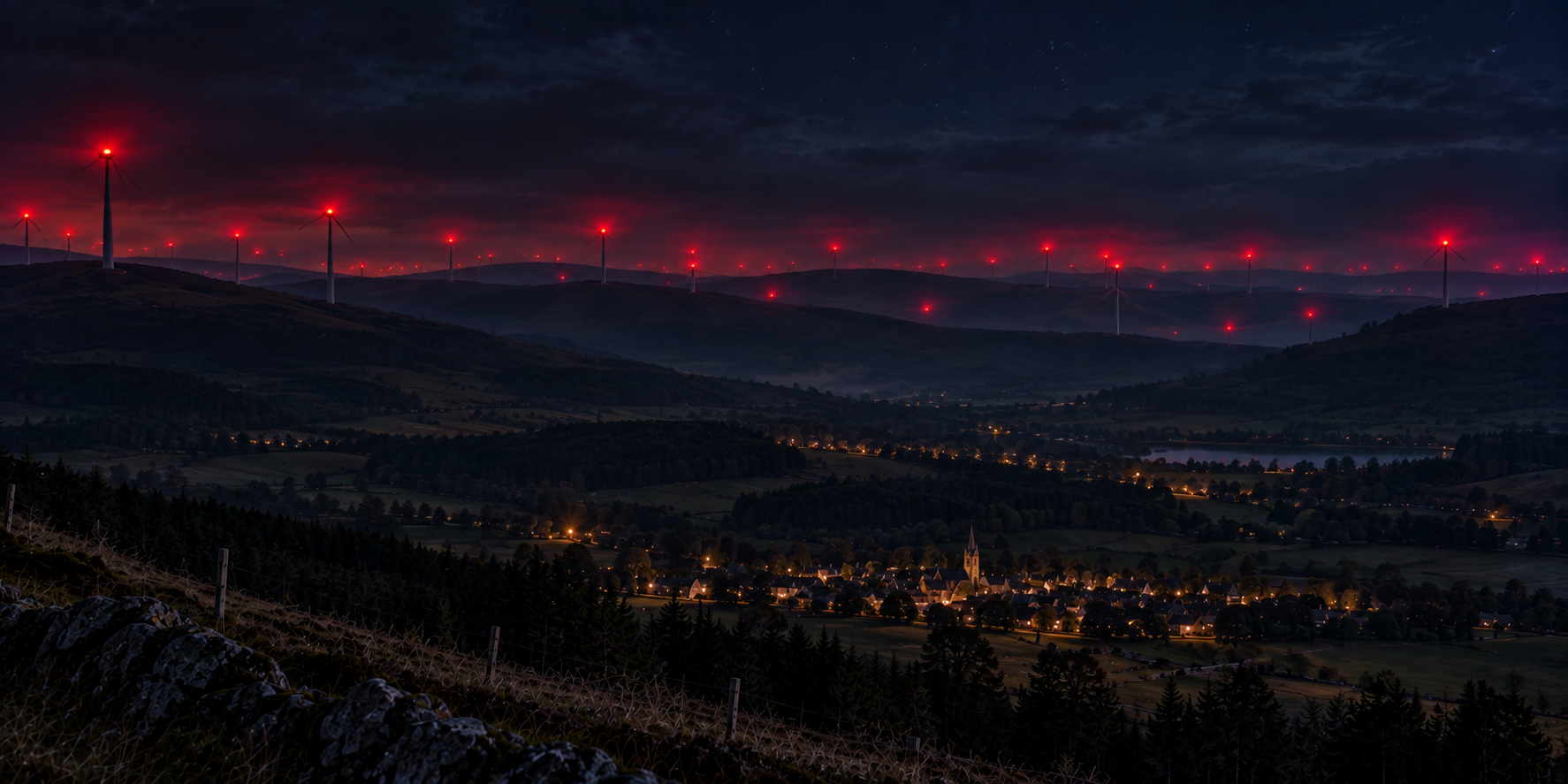
With hundreds of turbines already operating in Dumfries and Galloway, the addition of 16 to 17 more at extreme heights would intensify noise, vibration, visual dominance, aviation lighting and construction traffic, placing further mental, physical and environmental strain on local communities.

More Than Just Wind Turbines

The Scale of the Development

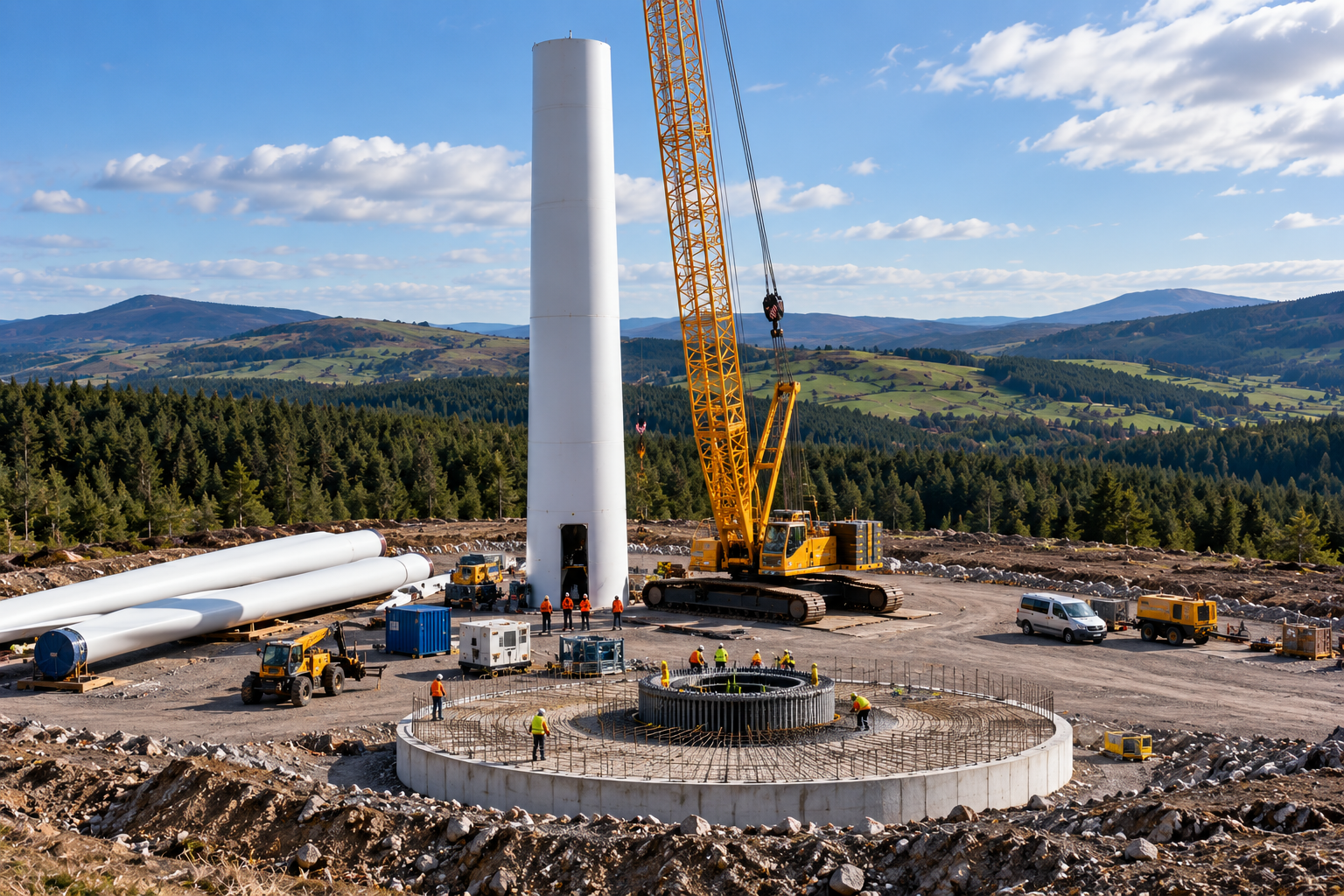
The turbines themselves are only the most visible part of the proposed development. A wind farm of this scale also requires substantial supporting infrastructure to enable its construction and operation.

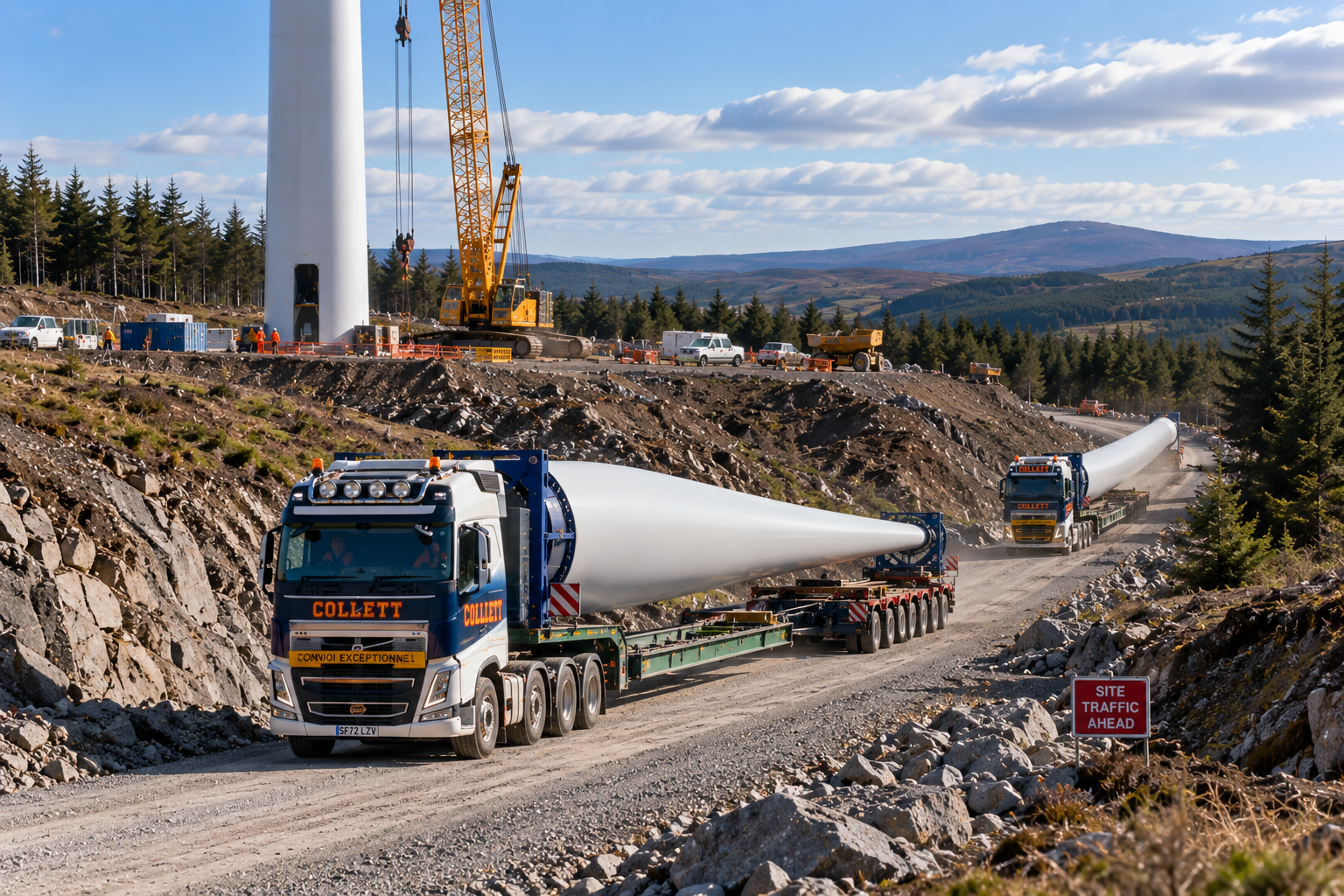
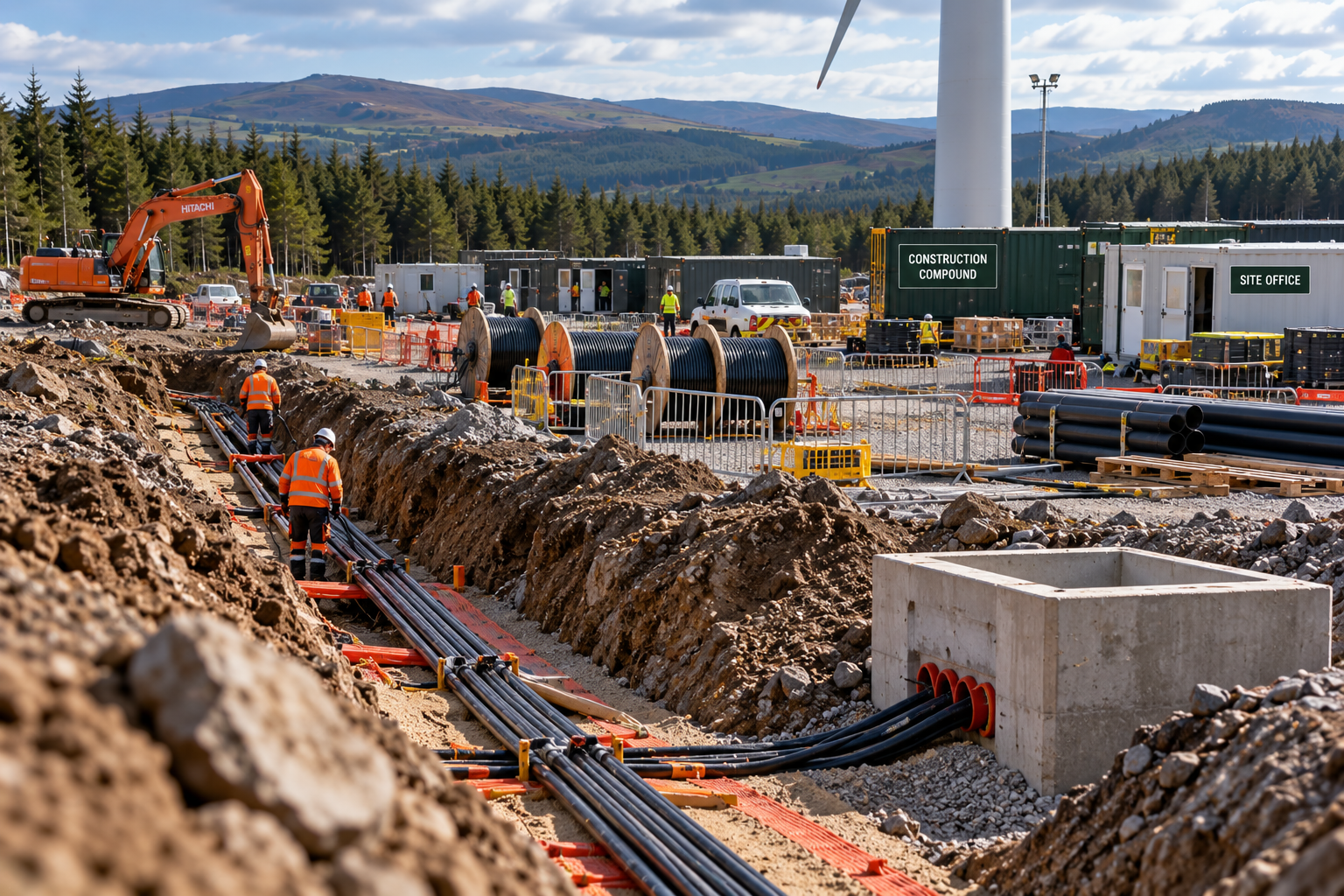
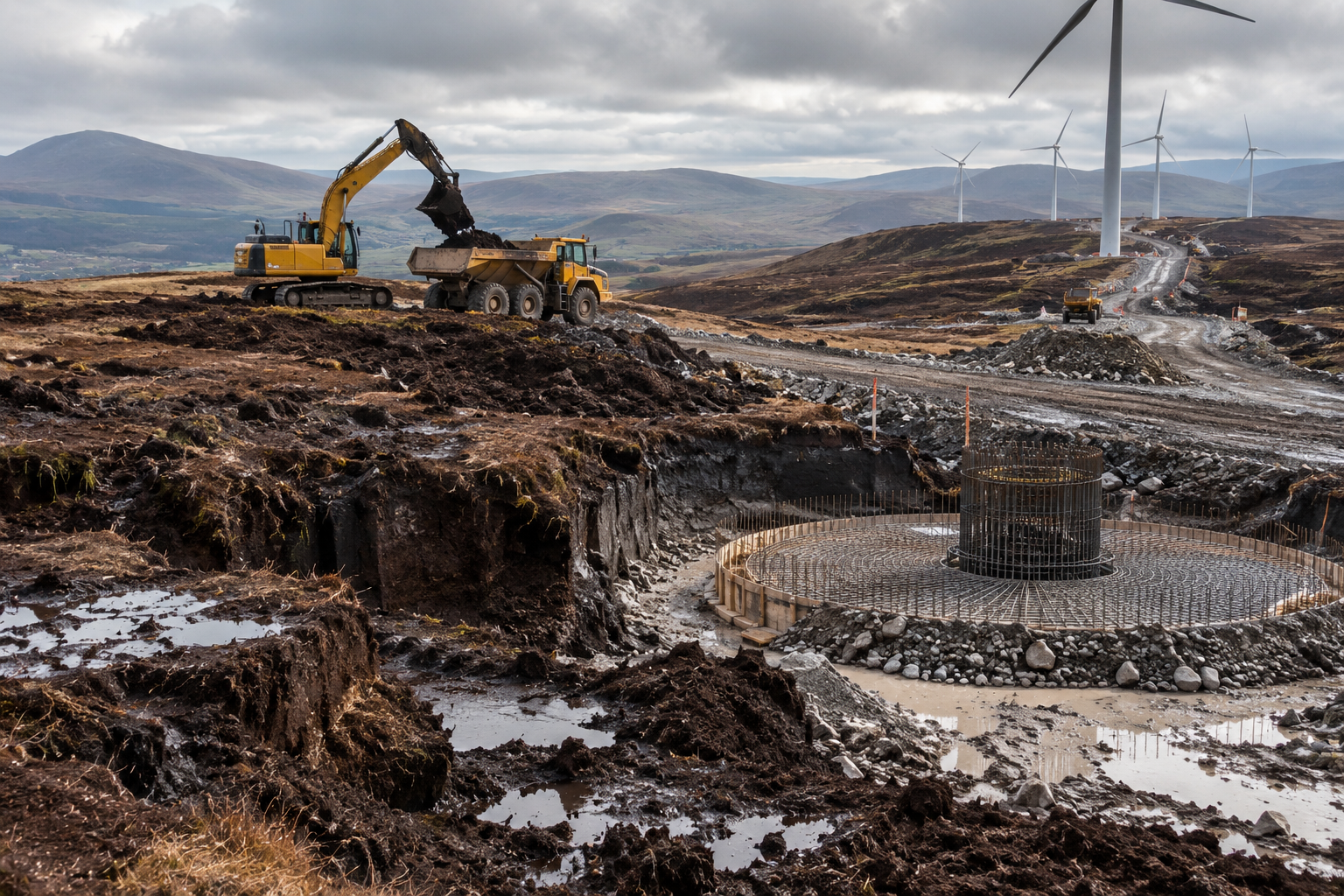
This can include turbine foundations and crane hardstandings, new and upgraded access tracks, underground electrical cabling, drainage works, construction compounds, electrical infrastructure and other associated works across the development site.

Together, these elements create a much larger physical footprint than the turbines alone and can result in significant ground disturbance throughout construction and operation.

Changing the Landscape

Landscape & Visual Impact

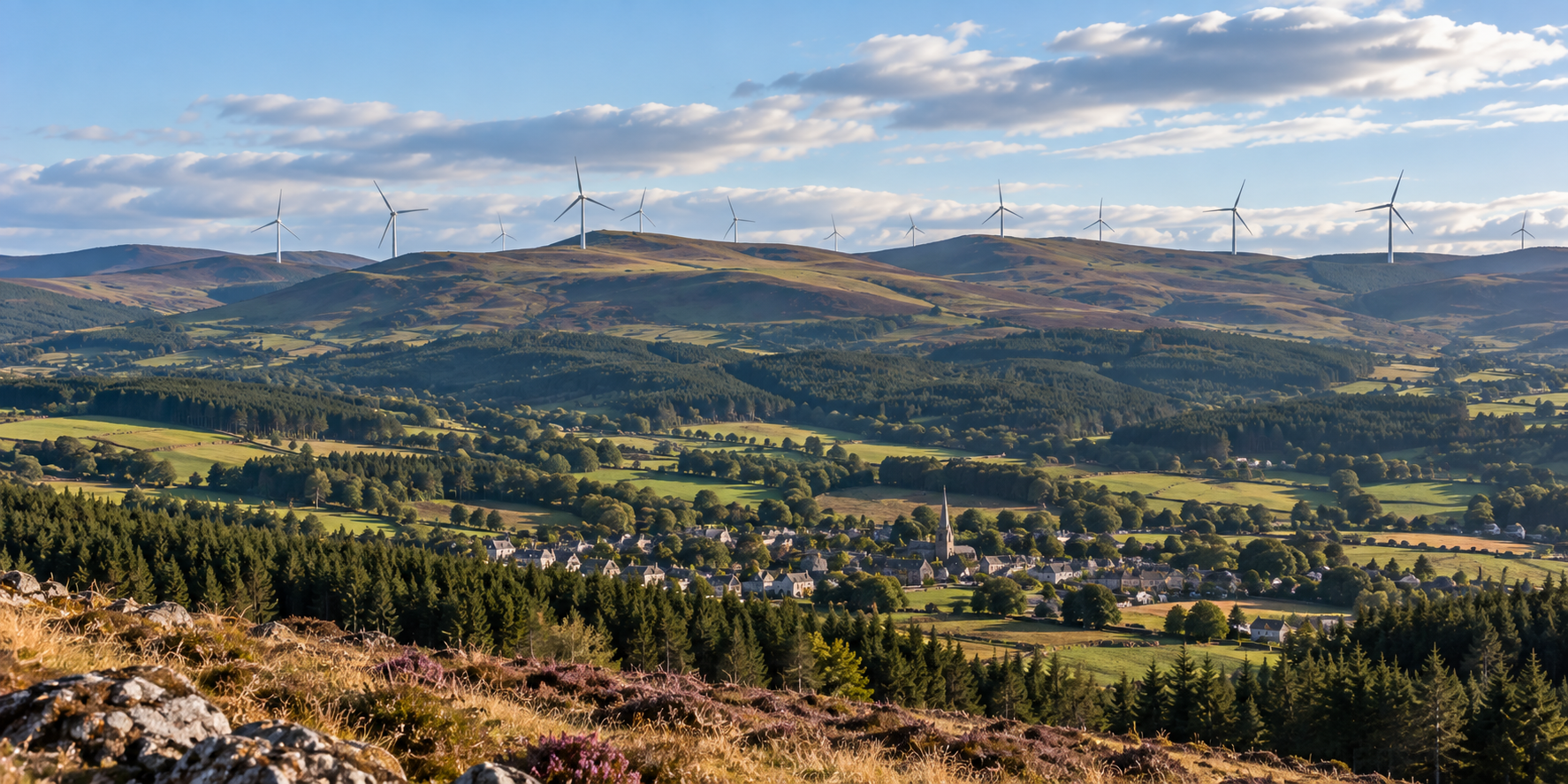
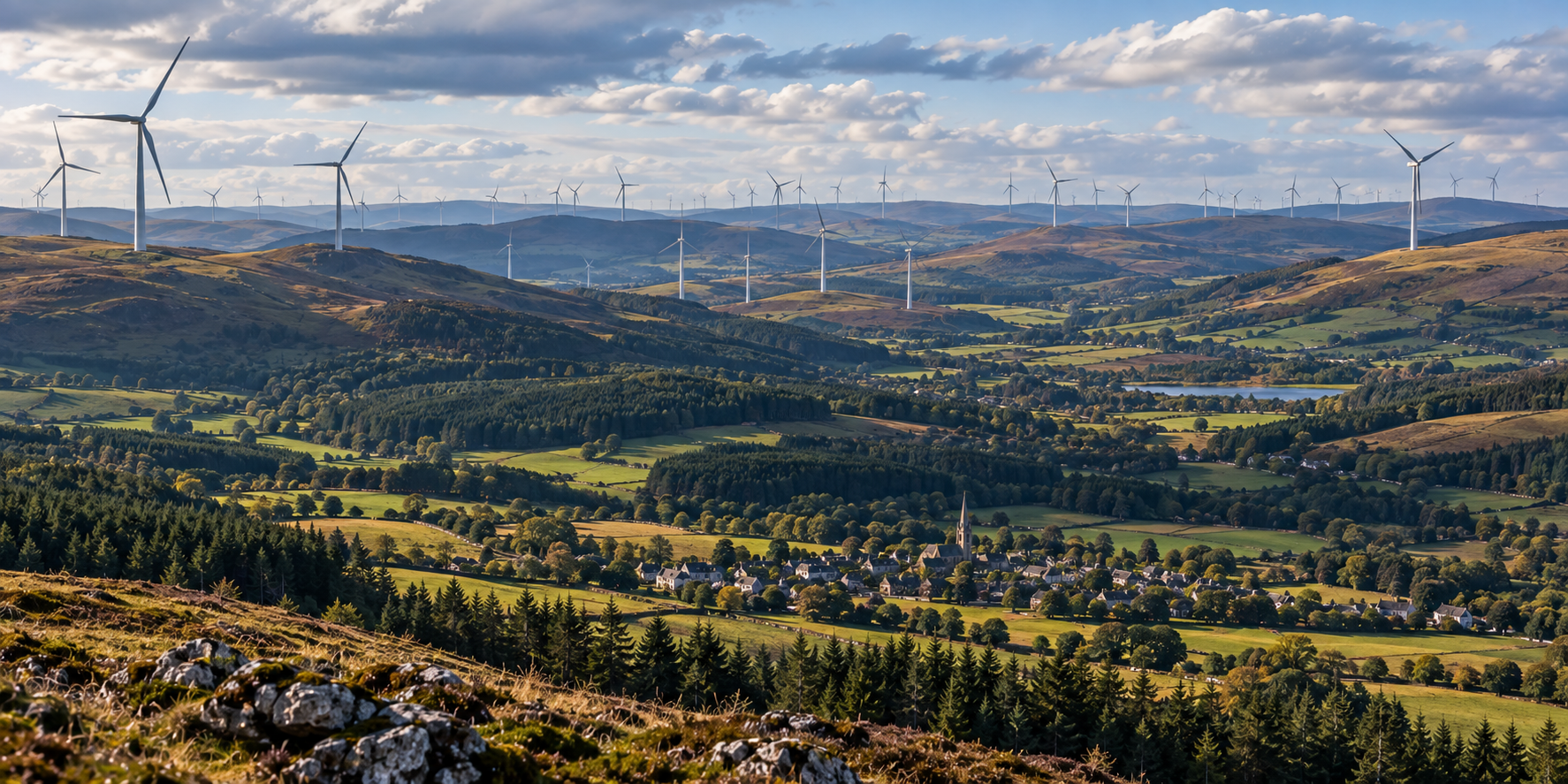
The proposed turbines would introduce structures reaching up to 200 metres into the hills surrounding Glencairn. At this scale, they could be visible across a wide area, including from Moniaive, surrounding roads, homes, walking routes and elevated viewpoints.

The impact is about more than whether the turbines can simply be seen. Their height, movement and position within the hills have the potential to change the character and experience of a landscape that is currently defined by its rural setting, forestry, farmland and open uplands.

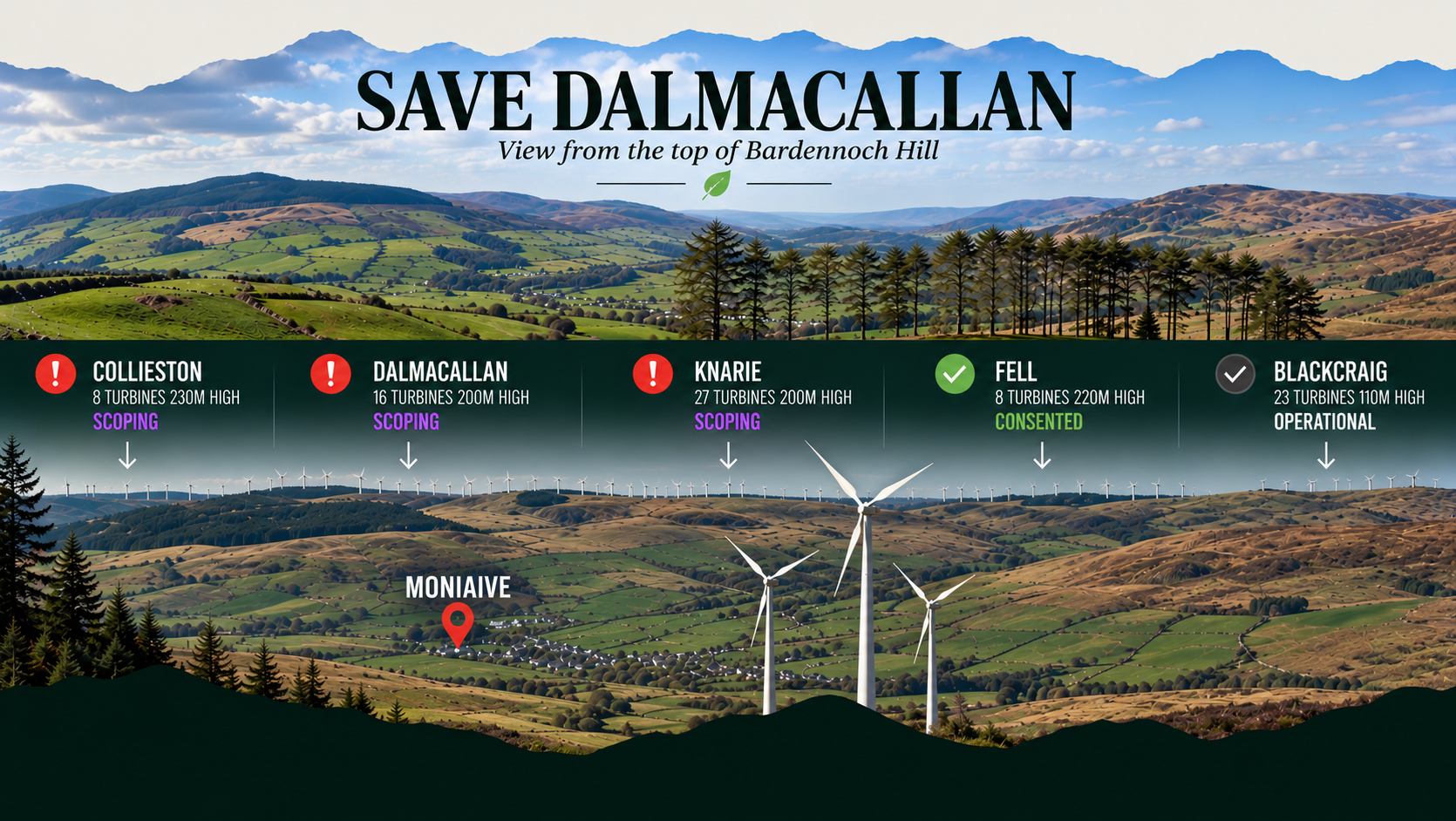
The development must also be considered alongside existing, consented and proposed wind farms across the wider area, as their combined presence could result in a substantially different landscape from the one experienced today.

One Development Among Many

Cumulative Impact

Dalmacallan would not exist in isolation. The landscape surrounding Moniaive and Glencairn is already influenced by operational wind farms, with further developments consented or proposed across the wider area.

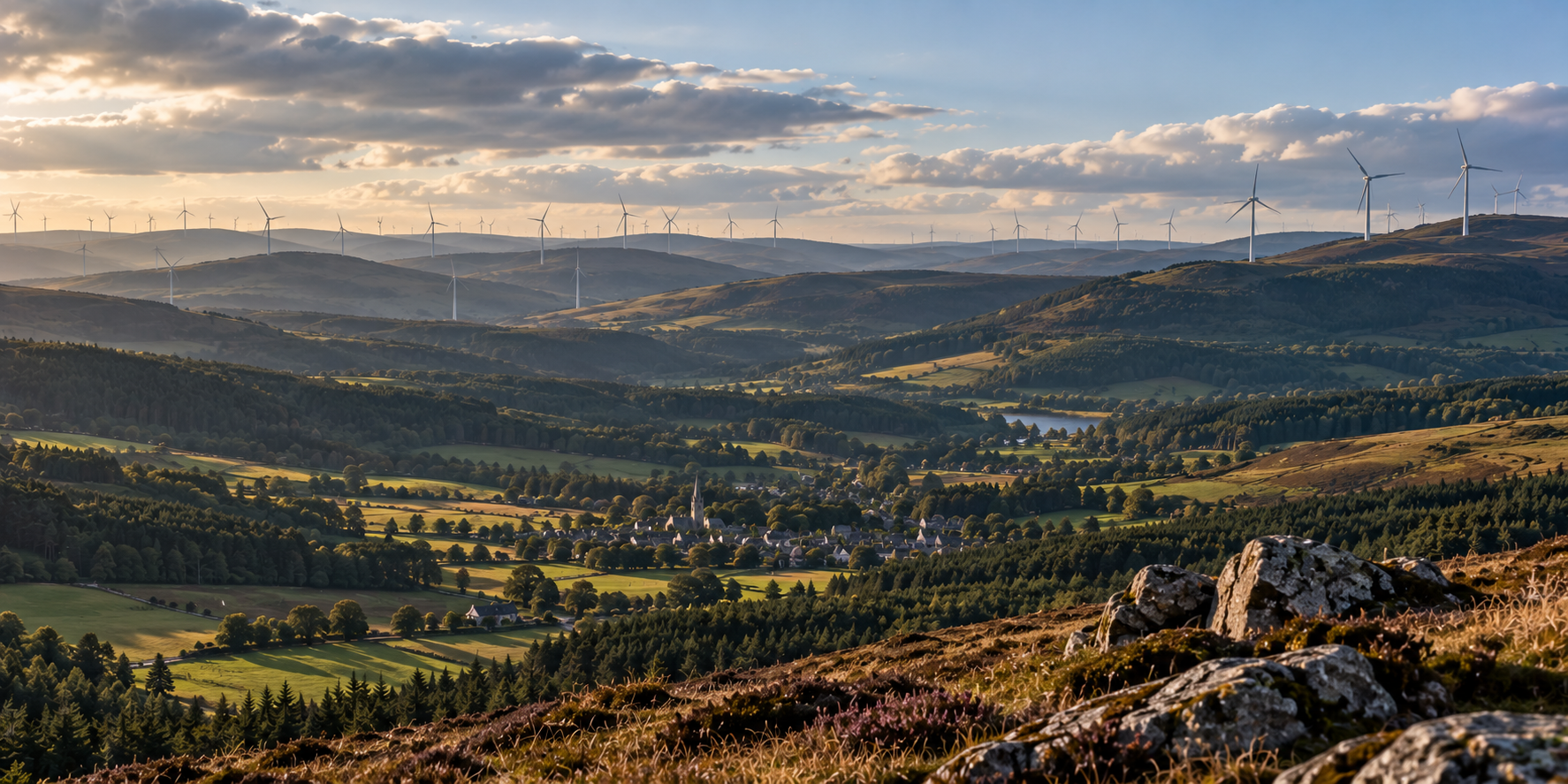
The cumulative impact therefore goes beyond the effect of Dalmacallan alone. It must consider how multiple developments would be experienced together, including turbines appearing across different ridgelines, successive developments encountered when travelling through the area, and the overall effect upon the character of the landscape.

As more developments are introduced, individually separate wind farms have the potential to become experienced as a much wider and more continuous landscape of turbines.

Important Facts

What the Developer Doesn't Tell You

As of November 2025 Dumfries & Galloway already have 604 onshore turbines. With more wind farms being approved on a monthly basis, our region is going to be drowning under a deluge of spinning blades with the pylons and infrastructure to follow.

A Protected Village

Moniaive is a designated Conservation Area and forms part of the Galloway and Southern Ayrshire UNESCO Biosphere Community, reflecting the special character of the village and its surrounding landscape.

A Landscape Rich in Heritage

Glencairn holds thousands of years of history, from prehistoric archaeology and Roman activity to its Covenanter heritage, while its landscapes inspired renowned artists including James Paterson.

A Living Natural Environment

Dalmacallan Forest and the surrounding countryside support red squirrels, pine martens, deer, badgers, red kites, buzzards and owls, while local homes also rely upon private water supplies.

A Community Facing Change

Moniaive has experienced serious flooding and now faces further development pressures, with potential effects upon water, peat, forestry, wildlife, traffic, noise, dark skies and residential amenity.

Dalmacallan Wind Farm Will Include

Wind farm development involves far more than the installation of turbines. Construction can require extensive access tracks, turbine foundations, excavation, drainage, cabling, substations and associated infrastructure, resulting in long-term changes to landscapes, habitats, soils and peatlands. Below are just some of the impacts associated with development on this scale.

Wind Turbines

Up to 16 turbines with a maximum blade tip height of up to 200m.

*Or 17 turbines at 180m, as Force9 are yet to decide.

Access Tracks

New and upgraded tracks for construction and maintenance.

Digging through peat and landscapes.

Hardstandings

Crane hardstandings at each turbine location.

With 1,000's of tons of concrete for support and foundations.

Substation

On-site substation to connect electricity to the grid.

With additional pylons for grid connection.

Battery Storage

Battery Energy Storage System (BESS) for energy management.

With lithium ion at the core of the technology used.

Grid Connection

Underground and/or overhead connection to the national grid.

Unlawfully seen as a separate application for the main.

Other Infrastructure

Control building, fencing, drainage and ancillary works.

Including CCTV and onsite monitoring to restrict access.

Maintenance and Extensions

Potential for extensions and taller turbines in the future.

Including new foundations and more tracks required.

Please note: Some images on this page are illustrative and are intended to help explain the potential scale, nature and impacts of the proposed development.
Save Dalmacallan
Turbine Layout