

16 x 200m Wind Turbines
Vestas, a Danish global leader in sustainable energy solutions is applying to transform the hills surrounding Moniaive and Glencairn into a power generating industrialised wind turbine site, building 16 turbines up to 200m in height (or 17x up to 180m in height).
WE SAY NO.!
Dalmacallan forest, is a 1,731 acrea area managed by Forestry and Land Scotland, planted with coniferous woodland since the 1950s. Situated just south-east of Moniaive in Dumfries and Galloway, the north facing hills provide a beautiful backdrop to the village of Moniaive, with the stunning night sky and Milky Way often clear to see with the naked eye.
This is the location that Vestas have in mind. We say no!
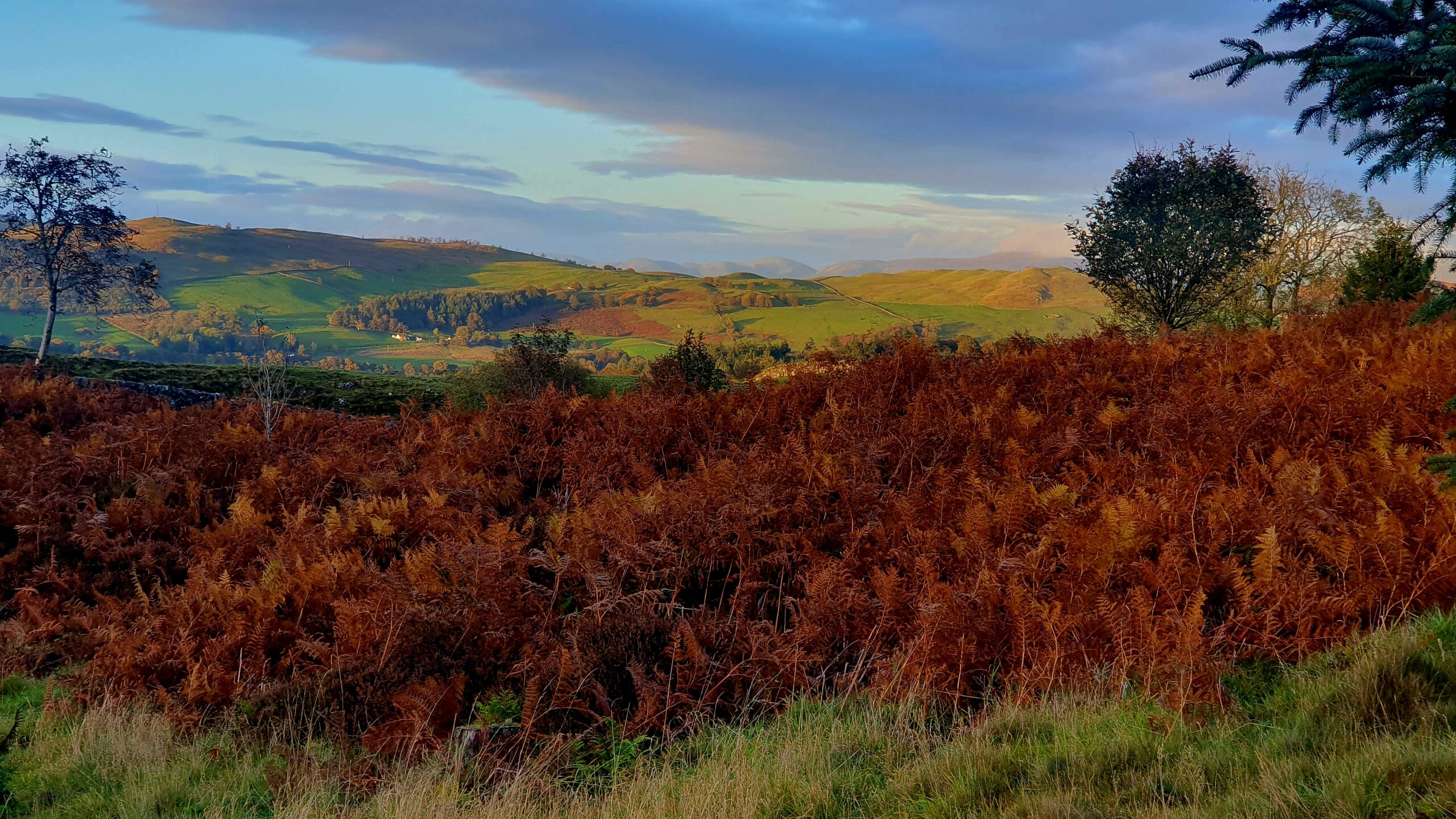
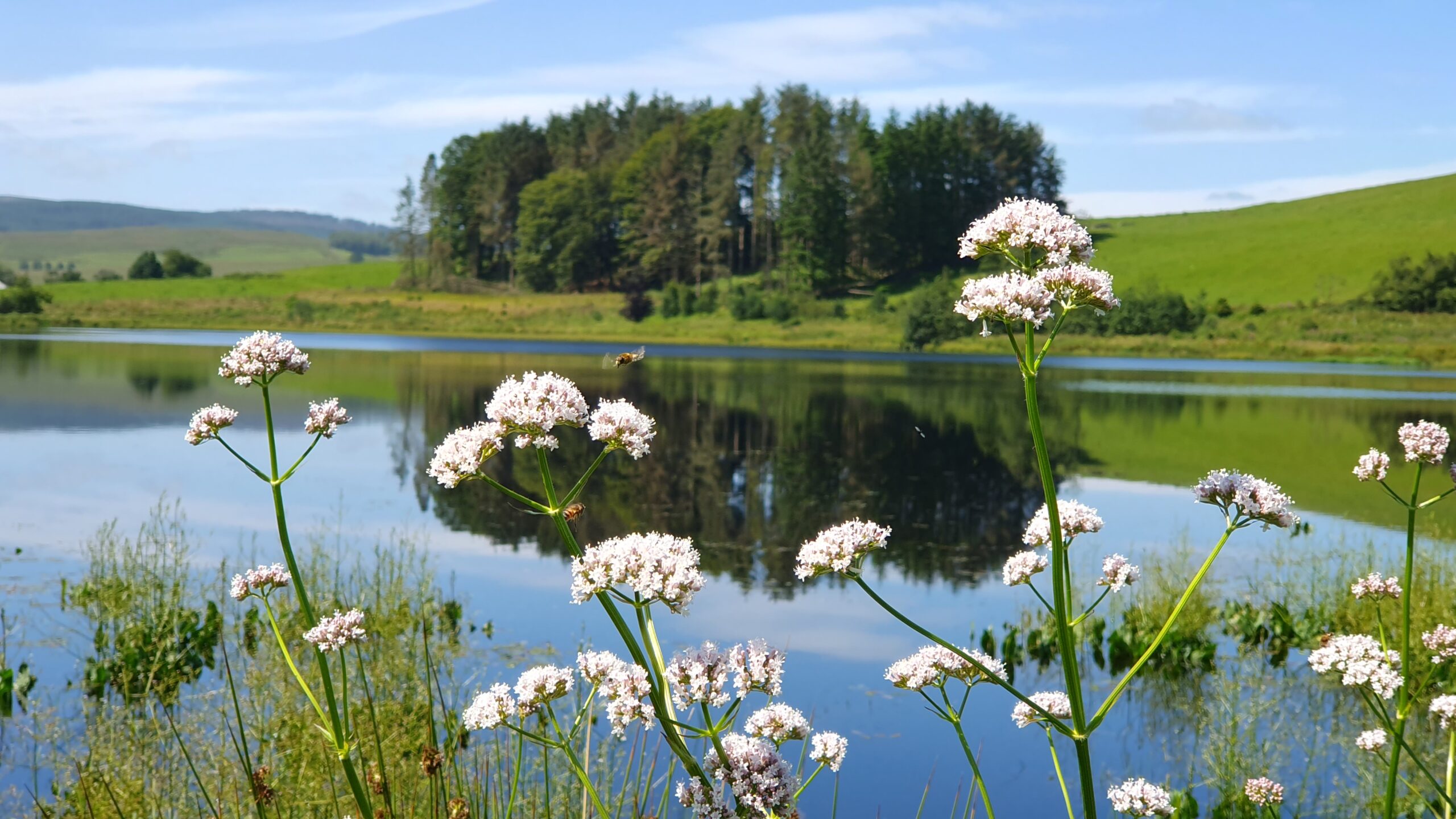
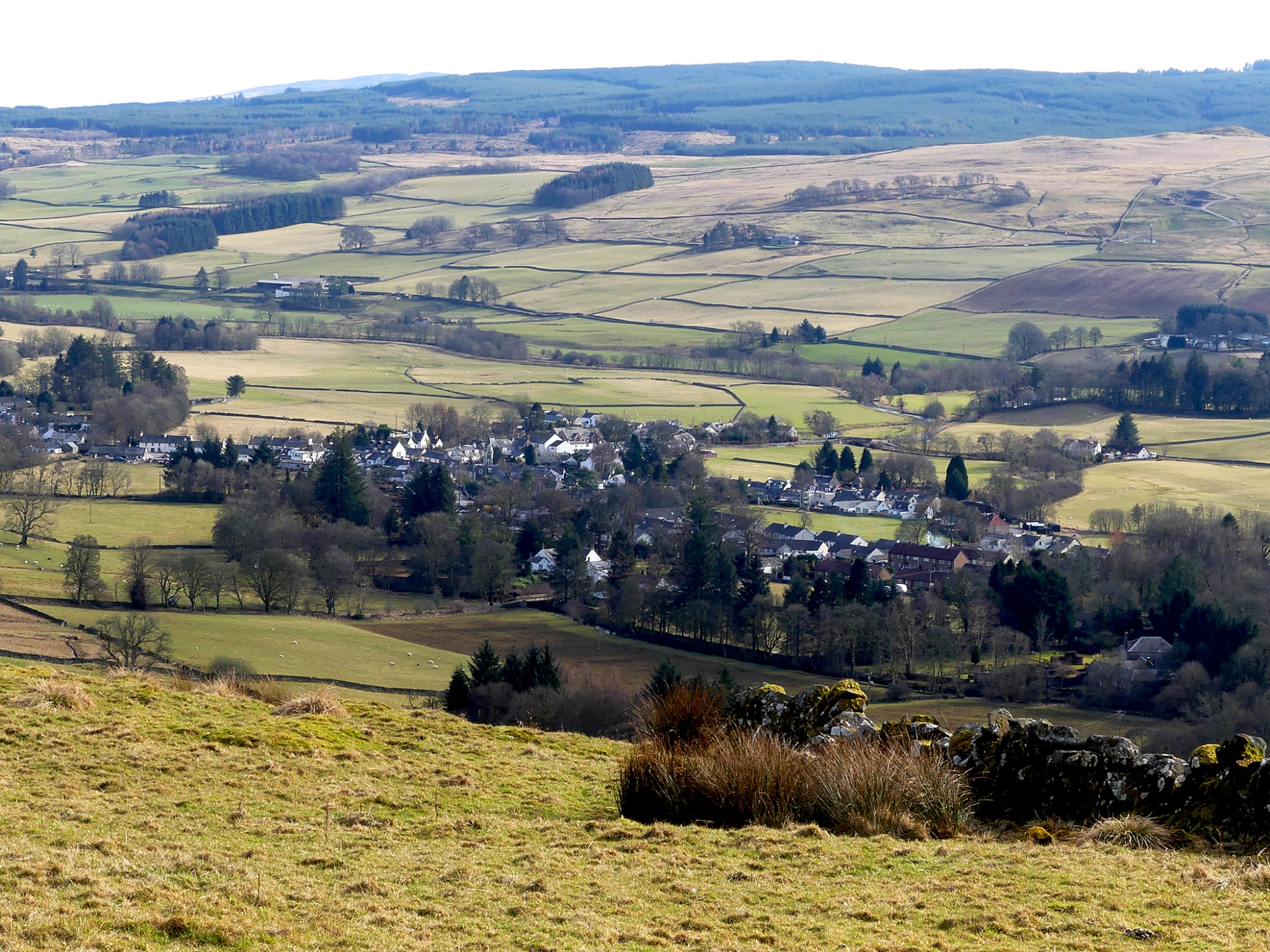
Referred to in The Times as ‘One of the coolest villages in Britain’, the village of Moniaive means the ‘Hill of Streams’ (from the Gaelic monadh-abh), nestled in stunning countryside where the three glens of Craigdarroch, Dalwhat and Castlefairn meet. Known throughout the world for its delicate and peaceful natural beauty, the village of Moniaive is a notified Conservation area and is also a member of the Galloway and Southern Ayrshire UNESCO Biosphere Community.
Rich in Neolithic and Roman history, the blood of Scottish Covenanters lies deep in the soil of these sacred hills, landscape that has inspired the greatest of artists including James Paterson, who’s paintings of Moniaive, Glencairn and Craigdarroch Water can be seen in the National Galleries of Scotland.
Within the rich soil lie artifacts and stories yet to be unearthed carefully, by hand. The forest itself gives habitat to red squirrels, pine martens, deer, badgers, red kites, buzzards, owls and human residents live in the forest too! Like many other homes below the proposed turbine site, residents rely on the purity of the water for their private water supplies (PWS), which is already under threat.
The village of Moniaive too, having already suffered severe flooding in recent years is under threat as trees, foliage, precious peat and rain absorbing moss is being removed through logging, and as borrow pits and concrete is poured into deep holes, not to mention gravel tracks and substations are built, the risk of flooding will only increase.
Residents of all ages, some born in the village and now grandparents to children in the surrounding communities believe in clean energy, but wind energy is not free. It comes at a great cost, and rural communities such as Moniaive are expected to pay the price through eternally ruined landscapes, nature and wildlife destroyed, increased flooding, infrasound and the noise of the turbines, aviation lighting destroying the dark skies, and years of increased industrial traffic slowly but surely altering the beautiful landscape and skylines. The mental and physical impact of the proposed industrial wind turbine site on the health of residents must be considered too who live between 1km and 4km of the turbines.
The proposed 200m turbines are to be situated between 295 and 340m above sea level. With the majority of homes in Moniaive situated at 95 – 120m above sea level, the perceived height of Dalmacallan Hill will equal the height of the turbines. The hill at 200m, the turbines another 200m. The underlying hills and villages will be dwarfed by the vast size of the turbines.
As of November 2025 Dumfries & Galloway already have 604 onshore turbines. With more wind farms being approved on a weekly basis, our region is going to be drowning under a deluge of spinning blades with the pylons and infrastructure to follow.
In response to this threat, we have one thing to say: Hey! Vestas. Leave Our Hills Alone!