


Some gifts last a lifetime, others barely last a day. In a year when the CEO of Vestas reportedly earned €1.4 million, local communities are told that accurate and honest visual material is somehow beyond reach. Councils and residents are instead presented with crude wireframe illustrations that strip away scale, permanence and consequence. These are not neutral technical drawings. They are instruments of persuasion.
The visual material submitted alongside wind farm applications consistently understates what is actually being proposed. Turbines that will dominate the skyline for decades, along with access tracks, crane hardstandings and substations that permanently alter agricultural land, are reduced to faint outlines that dissolve into the landscape. Productive farmland is quietly transformed into what are effectively permanent brownfield sites, yet this reality is hidden behind minimalist graphics that suggest something temporary, light and easily reversible. The cumulative industrialisation of the countryside is softened into something almost decorative.
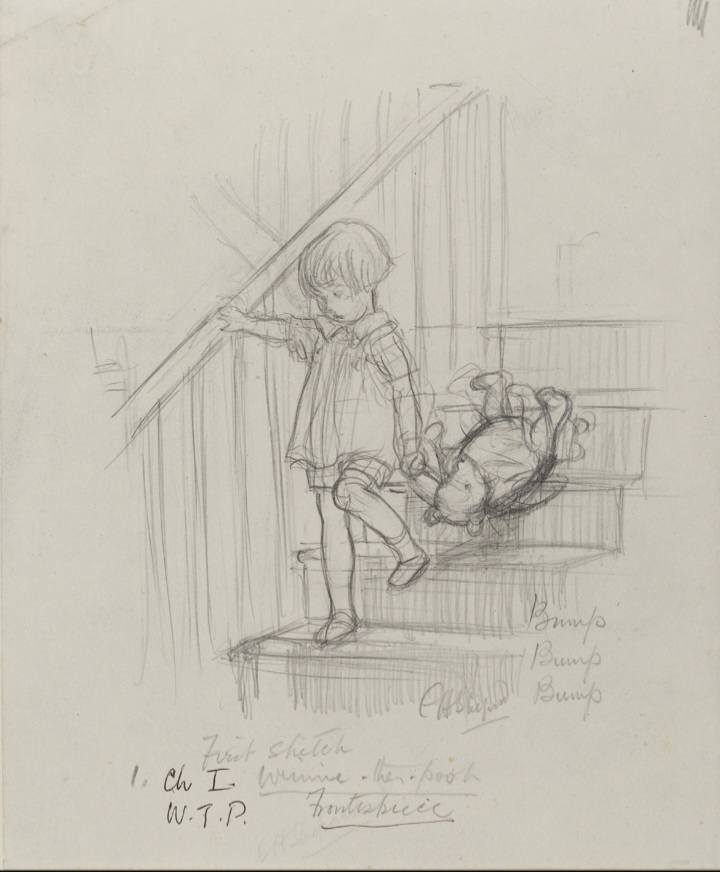
These wireframes might be more appropriate for illustrating a children’s book or a conceptual sketch of a woodland trail. They are wholly inadequate for conveying the true visual and environmental impact of industrial energy infrastructure. This is not a matter of artistic style. It is a matter of public trust. Communities are being asked to respond to proposals without being shown what those proposals will genuinely look like, not just next year but for generations to come.
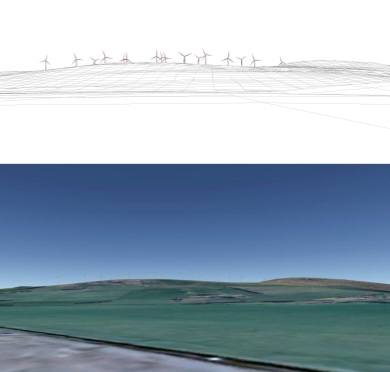
What makes this situation particularly troubling is that the guidance underpinning these visual representations comes from NatureScot. As Scotland’s statutory nature agency, one would reasonably expect a firm commitment to transparency and visual honesty, especially where developments threaten landscapes, habitats and rural livelihoods. Instead, the current guidance allows developers to comply with the letter of the rules while undermining their spirit. The result is a planning system in which technically acceptable visuals can still be profoundly misleading.
This is not an isolated flaw. It reflects a wider pattern in which communities are repeatedly asked to place faith in processes that prioritise developer convenience over informed consent. If Scotland is serious about protecting its landscapes and respecting the people who live and work within them, then visual assessment guidance must change. Honest representations should be the minimum standard, not an optional extra quietly sacrificed in the pursuit of approval.